Our patch has always been a place where nature gets on quietly with things, regardless of what the rest of us are doing, and we share the space with a surprisingly varied cast of wildlife residents. This summer, we've been paying a little more attention to them. Armed with nothing more than a smartphone and an app, we've been listening out for the birds.
Listening for wildlife
The app, Merlin Bird ID, developed by the Cornell Lab of Ornithology, can identify bird species from a short audio recording. It's not perfect science, but as a first survey tool it's remarkably accessible - no specialist knowledge required. What it's been picking up has certainly been encouraging.
Who's living here?
In just over a week of recordings taken on Churchfields in late June 2026, eleven species were confirmed:
- European Goldfinch - vivid splashes of red and yellow, found wherever there are seed-bearing plants
- Common Swift - our most aerial of summer visitors, barely touching land from May to August; sadly declining nationally
- Eurasian Wren - tiny, loud, and seemingly everywhere despite its size
- Common Wood-Pigeon - the park's most familiar face, large and unhurried between the trees
- Carrion Crow - watchful, intelligent, and not to be underestimated
- Dunnock - easy to overlook, but listen carefully and you'll hear its cheerful, rapid warble
- House Sparrow - once common everywhere, now on the amber conservation watchlist
- Black-headed Gull - a reminder of how close we are to the river
- European Starling - another amber-listed species, known for the breathtaking murmurations they form in winter
- Eurasian Magpie - bold, black-and-white, and hard to miss
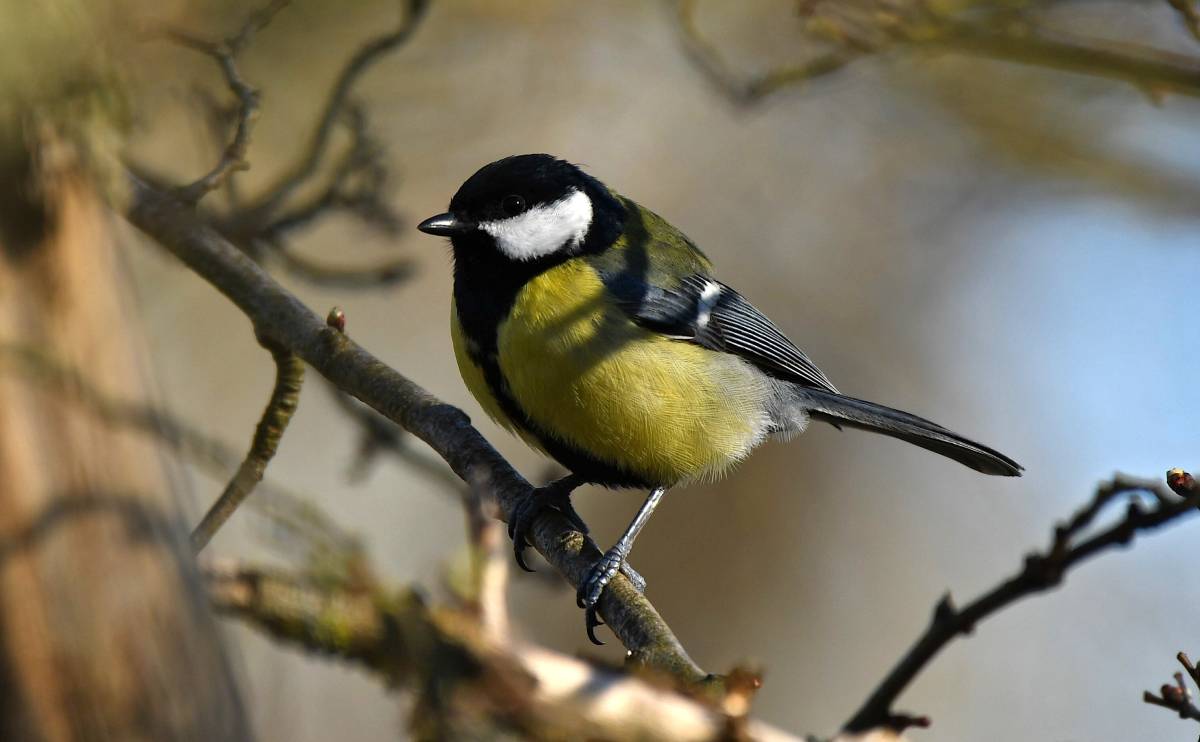
- Great Tit - one of Britain's most vocal birds, with a repertoire of over forty distinct songs
The presence of House Sparrow, Common Swift and European Starling - all amber-listed species on the Birds of Conservation Concern (BoCC) list - is particularly worth noting. It tells us something important about the quality of the habitat we're helping to curate.
Extending the survey
This is just a first sample. As the survey extends around our parkland, along the Esplanade and the River, we'd expect an even wider cast of characters - species that favour saltmarsh, mudflat, and open water. The Black-headed Gull spotted at Churchfields is just a hint of what the riverside habitat supports. Watch this space!
Getting to know each species
On our socials you'll find a growing series of plant features introducing the individual species found across our site. We plan to do something similar for wildlife - short features on the birds, insects, and other creatures that make their home on our patch. Follow us on Instagram and Facebook for bitesize insights into the flora and fauna on site as we share what we find.
Hedgerows News
-
Hedgerow Plants Secured from Woodland Trust

We’re delighted to share that FoRCE has been successful in our application to the Woodland Trust’s ‘Community Tree Pack’ scheme. This means that, in November, we will receive a free supply of native hedge plants to support our ongoing Hedgerow Project.
-
Planting Our First Hedgerow

Our November volunteer activity saw us take an exciting step forward with our Hedgerow Project, as we planted the whips which will grow into our first hedgerow.